


Introduction
Transportation costs in Nigeria continue to rise due to fuel price increases and high vehicle maintenance costs. Electric vehicles (EVs) offer a practical solution for reducing these expenses and improving long-term efficient.
Lower Fuel Costs
EVs run on electricity, which is cheaper than petrol. This significantly reduces daily commuting expenses for individuals and operational costs for businesses.
Lower Maintenance Costs
EVs have fewer moving parts and require less maintenance. This means fewer repairs, less downtime, and lower long-term costs.
Increased Efficiency
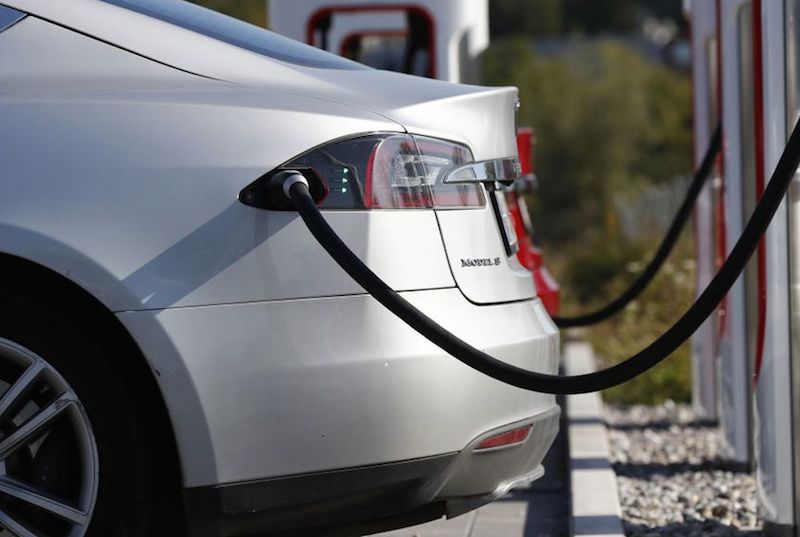
Electric vehicles deliver consistent performance and can be charged at home or at public charging stations, making them a convenient and cost-effective option.
Conclusion
Switching to electric vehicles can significantly reduce transportation costs in Nigeria. With sustainable energy integration, EVs offer a long-term solution for businesses and individuals.