Every day, millions of Nigerians move from one place to another in search of opportunity.
Students commute to lectures. Workers travel to their jobs. Entrepreneurs move goods and services across cities. Riders spend long hours on the road providing the transportation that keeps our communities moving.
Yet for many people, transportation remains one of the biggest barriers to productivity, education, and economic growth.
Working within the mobility sector has given me a front-row seat to the challenges riders and commuters face daily. Rising operating costs, limited access to vehicle ownership, traffic congestion, and inefficient transport systems continue to affect livelihoods across the country.
Mobility should create economic opportunities. Mobility should empower riders. Mobility should support education. Mobility should strengthen communities.
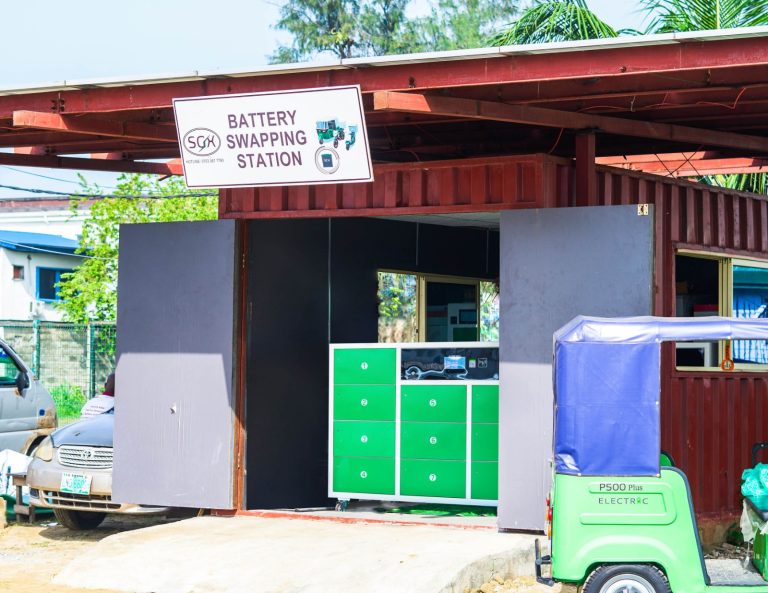
This is why initiatives such as vehicle ownership programs, rider recruitment schemes, battery-swapping infrastructure, and university transportation solutions are becoming increasingly important.
At SGX Mobility, we remain committed to building solutions that contribute to that future.
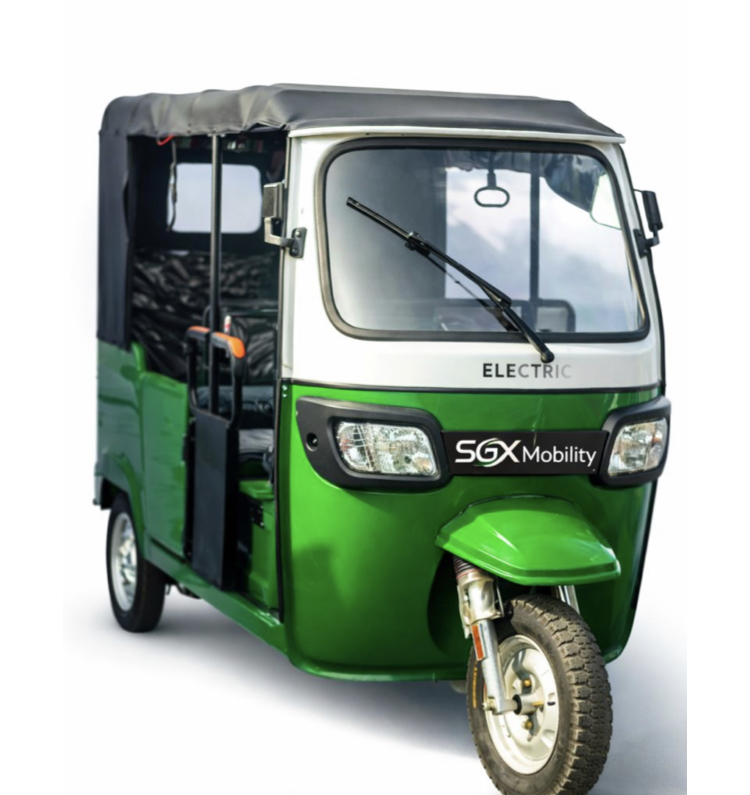
SGX Mobility has officially expanded its electric mobility vision with the launch of the SGX Mobility Hire Purchase Partnership (HPP) Program in Ibadan — a strategic initiative designed to make electric vehicle ownership more accessible, affordable, and scalable across Nigeria.
The Ibadan launch marks another major step in SGX Mobility’s mission to accelerate clean transportation adoption while creating economic opportunities for riders, fleet operators, entrepreneurs, and investors.
Bridging the Gap Between Mobility and Accessibility
As fuel prices, operational costs, and environmental concerns continue to impact the transportation sector, electric mobility is rapidly emerging as a practical and sustainable alternative.
The SGX Mobility HPP Program was created to solve one of the biggest barriers to EV adoption — accessibility.
Through the Hire Purchase Partnership model, qualified individuals and fleet operators can gain access to SGX electric tricycles through structured ownership and financing support, reducing the burden of upfront vehicle acquisition costs.
This initiative is expected to support:
Increased EV accessibility
Lower transportation operating costs
Fleet expansion opportunities
Cleaner urban transportation
Reduced dependence on petrol-powered tricycles
Sustainable economic growth within the mobility ecosystem
Why the Ibadan Launch Matters
Ibadan remains one of Nigeria’s largest commercial and transportation hubs, making it a strategic location for expanding electric mobility infrastructure and awareness.
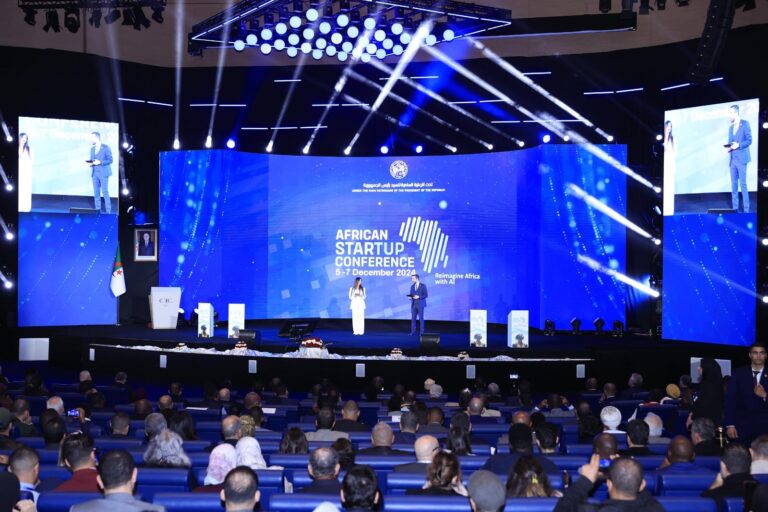
The launch event will bring together stakeholders, investors, transport operators, entrepreneurs, and sustainability advocates to explore the future of electric transportation and the opportunities within the SGX Mobility ecosystem.
Attendees will also experience:
Live electric tricycle showcases
HPP investment and partnership insights
Product demonstrations
Brand presentations
Networking opportunities with key industry stakeholders
The Economic Advantage of SGX Electric Tricycles
One of the strongest value propositions behind the SGX electric tricycle ecosystem is the significant reduction in operational costs compared to traditional petrol tricycles.
Benefits include:
Reduced daily fueling expenses
Lower maintenance costs
Improved energy efficiency
Reduced downtime
Zero tailpipe emissions
Cleaner and quieter transportation operations
For riders and fleet owners, this creates an opportunity to improve profitability while contributing to a more sustainable urban transport system.
Building the Future of Sustainable Mobility in Nigeria
The HPP launch in Ibadan reflects SGX Mobility’s long-term commitment to driving innovation, sustainability, and inclusive mobility solutions across Nigeria and West Africa.
As the demand for cleaner and smarter transportation solutions continues to grow, SGX Mobility remains focused on developing scalable infrastructure, strategic partnerships, and accessible EV programs capable of transforming the future of transportation.
The transition toward electric mobility is no longer a future conversation — it is already happening.
And SGX Mobility is leading that movement.
About SGX Mobility
SGX Mobility is a forward-thinking electric mobility company focused on accelerating sustainable transportation adoption across Africa through innovative EV solutions, infrastructure development, and accessible mobility financing initiatives.
To learn more about SGX Mobility and upcoming initiatives, follow SGX Mobility across its official digital platforms.
A Defining Moment for Electric Mobility in Nigeria
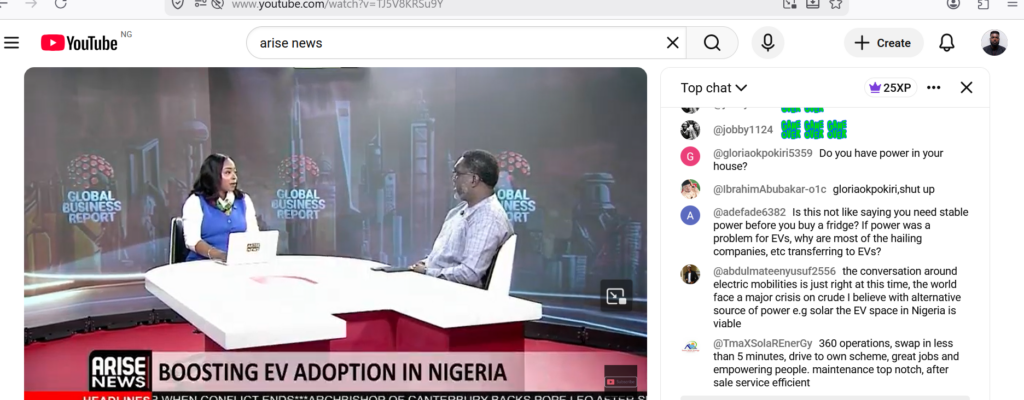
The General Manager of SGX Mobility, Femi Oyefodunrin, recently featured on ARISE TV in a powerful interview focused on electric vehicle (EV) adoption in Nigeria and the future of sustainable transportation across Africa.
The discussion highlighted SGX Mobility’s mission to accelerate clean mobility solutions, particularly through electric tricycles and a scalable battery swapping infrastructure designed to solve real-world transport challenges in urban Nigeria.
This feature marks a significant step in raising awareness about EV adoption in Nigeria, a sector rapidly gaining momentum as fuel prices rise and environmental concerns increase.
SGX Mobility’s Vision for Electric Transportation in Nigeria
During the ARISE TV interview, Femi Oyefodunrin outlined SGX Mobility’s long-term vision: to build a clean, efficient, and scalable electric mobility ecosystem that transforms how people and goods move across Nigerian cities.
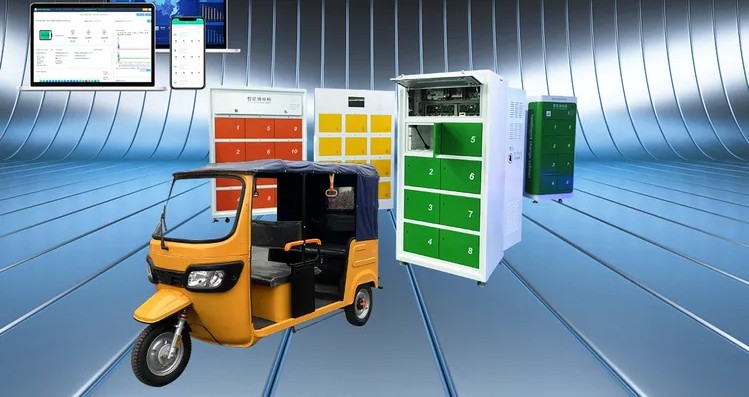
At the core of this vision is the deployment of electric tricycles (e-trikes) powered by a robust battery swapping network, eliminating the downtime associated with traditional EV charging.
Key Vision Highlights:
Transition from fossil fuel-based transport to electric tricycles
Development of battery swapping infrastructure across urban centers
Reduction of operational costs for commercial riders
Contribution to carbon emission reduction in Nigeria
Creation of a sustainable green mobility economy
Why Electric Tricycles Are Key to EV Adoption in Nigeria
One of the strongest points made during the interview was SGX Mobility’s strategic focus on electric tricycles as a practical entry point for EV adoption in Nigeria.
Unlike private electric cars, tricycles are already deeply integrated into daily transportation systems, making them an ideal vehicle class for rapid electrification.
Benefits of Electric Tricycles:
Lower fuel and maintenance costs compared to petrol alternatives
Improved income for riders due to reduced operating expenses
Zero tailpipe emissions, supporting clean air initiatives
High suitability for Nigeria’s urban transport environment
This approach positions SGX Mobility as a leader in last-mile electric mobility solutions in Africa.
Battery Swapping: Solving the EV Infrastructure Challenge
A major barrier to EV adoption in developing markets is charging infrastructure. SGX Mobility addresses this with a battery swapping model, which was a key focus during the ARISE TV feature.
Instead of waiting hours for charging, riders can swap depleted batteries for fully charged ones in minutes.
Advantages of Battery Swapping Infrastructure:
Eliminates long charging downtime
Enables continuous vehicle operation
Reduces pressure on the national grid
Supports scalable EV deployment in high-density cities
Improves efficiency for commercial transport operators
This innovation is central to SGX Mobility’s strategy to accelerate EV infrastructure development in Nigeria.
The Role of SGX Mobility in Nigeria’s Clean Energy Transition
Femi Oyefodunrin emphasized that SGX Mobility is not just a vehicle provider but a clean energy and mobility infrastructure company.
The company is actively contributing to Nigeria’s broader energy transition goals by reducing dependence on fossil fuels and promoting electric-powered transportation systems.
The ARISE TV interview also highlighted the importance of collaboration in scaling EV adoption in Nigeria.
SGX Mobility is open to partnerships with:
Energy and power sector investors
Infrastructure development companies
Government transport agencies
Climate-focused funding organizations
These partnerships are essential to building a nationwide electric mobility ecosystem in Nigeria and West Africa.
The ARISE TV feature of SGX Mobility GM Femi Oyefodunrin represents a major milestone in Nigeria’s journey toward electric vehicle adoption and sustainable transport innovation.
With a strong focus on electric tricycles, battery swapping infrastructure, and strategic partnerships, SGX Mobility is positioning itself at the forefront of Africa’s clean mobility revolution.
The message is clear: The future of transportation in Nigeria is electric, scalable, and already in motion.
At SGX Mobility, we are committed to accelerating the adoption of electric mobility by building solutions that are practical, scalable, and sustainable.
Through innovation in battery swapping infrastructure, electric vehicles, and smart mobility systems, we are helping shape the next generation of transportation.
The future of mobility is electric — and it’s already underway.
Cities around the world are facing a common challenge: how to move people and goods efficiently while reducing emissions and operating costs.
From Asia to Europe, Africa to Latin America, transportation systems are undergoing a massive transformation. Electric vehicles (EVs) are rapidly becoming the backbone of cleaner urban mobility. Yet one key challenge has remained: charging time.
This is where battery swapping technology is changing the game.
At SGX Mobility, we are building solutions designed to make electric mobility faster, more efficient, and more practical for drivers and fleet operators worldwide.
Traditional EV charging can take anywhere from 30 minutes to several hours depending on the battery size and charger type.
For private car owners this may be manageable. But for commercial drivers, delivery fleets, and urban mobility operators, time is money.
Long charging times can mean:
Lost productivity for drivers
Reduced daily earnings
Operational inefficiencies for fleet owners
Limited scalability for EV infrastructure
To unlock the full potential of electric mobility, cities need solutions that keep vehicles moving, not waiting.
Battery Swapping: The Game-Changer for Electric Mobility
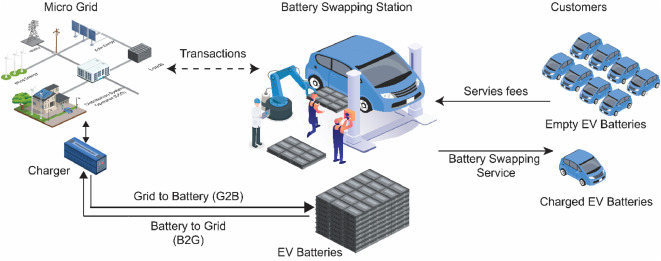
Battery swapping replaces the traditional charging model with something far more efficient.
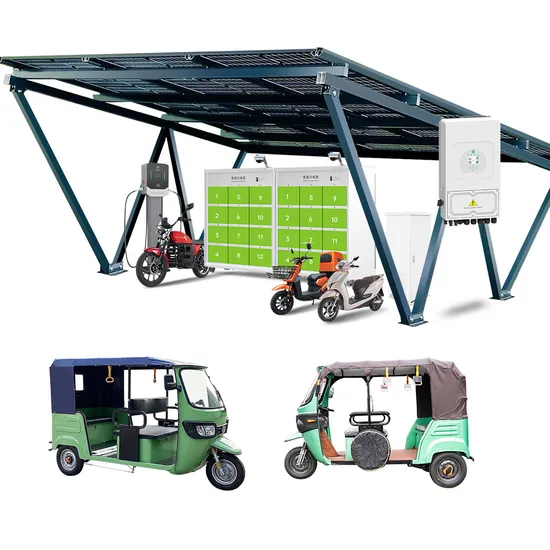
Instead of waiting for a battery to recharge, drivers simply:
Remove the depleted battery
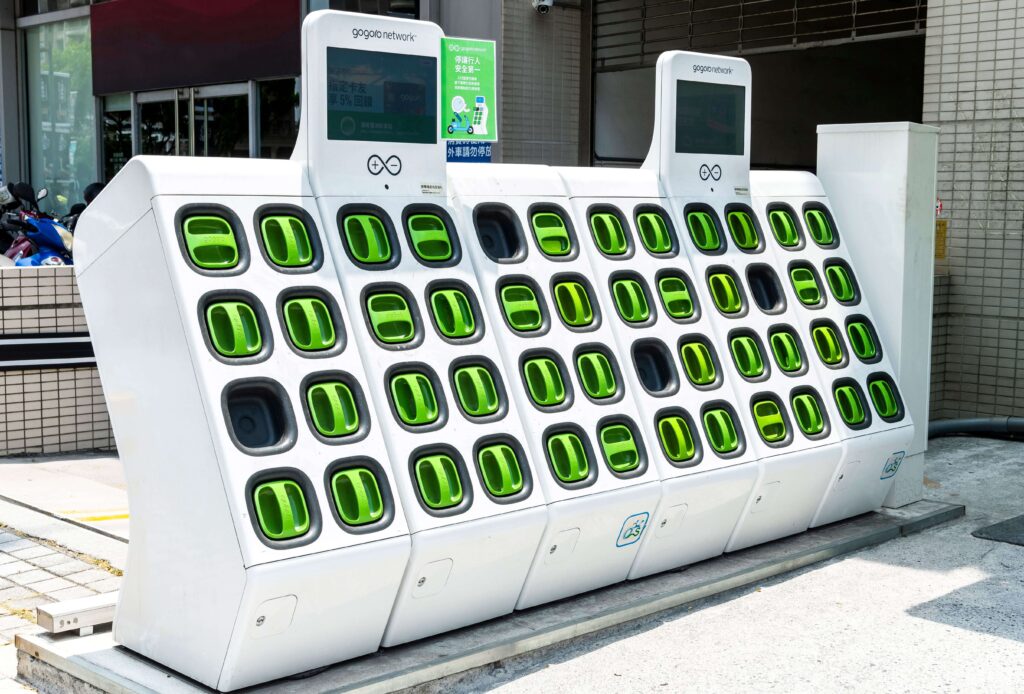
Insert it into a swapping cabinet
Replace it with a fully charged battery
The entire process can take just a few minutes.
This dramatically improves operational efficiency and makes electric mobility far more attractive for commercial transportation.
Why Battery Swapping Works at Scale
Battery swapping is gaining global attention because it addresses some of the most important barriers to EV adoption.
1. Faster Turnaround Time
Vehicles spend less time idle and more time on the road, improving productivity for drivers and fleets.
2. Lower Infrastructure Pressure
Instead of building thousands of slow charging points, swapping stations can serve many vehicles quickly and efficiently.
3. Better Battery Lifecycle Management
Centralized battery management systems allow operators to monitor battery health, optimize charging cycles, and extend battery lifespan.
4. Greater Accessibility for Urban Drivers
For drivers who rely on their vehicles for daily income, battery swapping offers a simple and predictable energy solution.
Building a Global Electric Mobility Ecosystem
The Road Ahead for Clean Transportation
The global transition to electric mobility is accelerating.
Governments, businesses, and technology innovators are working together to build the infrastructure needed for a cleaner and more sustainable transport future.
Battery swapping will play a key role in enabling this transformation, particularly in high-density cities where commercial vehicles, delivery fleets, and public mobility systems operate at scale.
The goal is simple:
Cleaner cities. Lower operating costs. More efficient mobility systems for the future.
Driving the Future with SGX Mobility
At SGX Mobility, we are committed to accelerating the adoption of electric mobility by building solutions that are practical, scalable, and sustainable.
Through innovation in battery swapping infrastructure, electric vehicles, and smart mobility systems, we are helping shape the next generation of transportation.
The future of mobility is electric — and it’s already underway.
The Future of Asset-Backed Mobility: Reshaping Global Transport Through Structured Financing
Across both emerging and developed economies, the mobility industry is undergoing a structural shift.
Transportation is no longer just about vehicles — it is about financial architecture, access models, and scalable infrastructure systems.
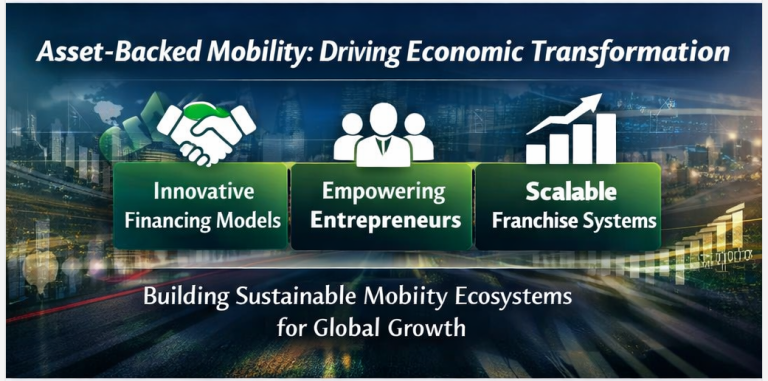
At the center of this transformation is asset-backed mobility financing — a structured approach that turns vehicles into productive economic assets while expanding access, reducing entry barriers, and accelerating inclusive growth.
This shift is redefining how transport businesses are built, funded, and scaled worldwide.
From Ownership to Structured Access
For decades, mobility growth depended on individual ownership or informal leasing models. The result?
High capital barriers
Fragmented operations
Poor asset tracking
Limited scalability
Today, forward-thinking mobility companies are building structured systems that integrate:
Asset financing
Fleet management
Risk mitigation frameworks
Franchise expansion models
Data-driven asset performance tracking
This evolution allows vehicles to operate not just as tools — but as income-generating financial instruments within a controlled ecosystem.
Why Asset-Backed Mobility Is Gaining Global Momentum
Several global forces are accelerating this model:
1. Urbanization & Transport Demand
Cities are expanding rapidly. Reliable transport is now a foundational economic driver, not a luxury.
2. Financial Inclusion Gaps
Millions of capable operators lack access to traditional credit systems. Structured mobility financing bridges this gap using asset-based underwriting.
3. Risk Management Through Structure
Modern models incorporate:
GPS asset tracking
Digital repayment systems
Performance monitoring
Tiered franchise frameworks
This reduces lender risk while empowering operators.
4. Scalable Franchise Systems
Mobility is becoming replicable. Structured franchise frameworks allow expansion into new cities and markets without compromising asset oversight.
The Economic Multiplier Effect
Well-structured mobility financing does more than move people.
It:
Creates micro-entrepreneurs
Generates employment
Increases tax contributions
Strengthens transport reliability
Improves urban productivity
When vehicles are financed through structured systems rather than informal debt cycles, repayment success rates improve and asset sustainability increases.
This is not just transportation. It is economic infrastructure engineering.
The Global Opportunity
From Southeast Asia to Sub-Saharan Africa to parts of Latin America, mobility infrastructure gaps represent multi-billion-dollar opportunities.
However, the winning models are not simply ride-hailing platforms.
They are:
Structured asset finance ecosystems
Integrated franchise operations
Risk-managed fleet systems
Data-driven performance models
The next phase of mobility growth belongs to companies that understand finance, operations, and infrastructure — not just vehicles.
What the Future Looks Like
The next 5–10 years will likely see:
Hybrid mobility finance models
Institutional investment in transport fleets
AI-driven asset risk scoring
Integrated insurance + financing products
Cross-border mobility franchise expansion
Mobility will increasingly resemble a structured financial sector — not just a logistics one.
Conclusion: Mobility as Infrastructure, Not Just Transportation
The conversation is shifting.
The question is no longer: “How do we get more vehicles on the road?”
The real question is: “How do we build sustainable, structured mobility ecosystems that create economic value at scale?”
Asset-backed mobility financing is answering that question globally.
And the markets that implement it responsibly will define the next era of transport economics.
Electric vehicles (EVs) are often praised as the future of transportation — but they’re only as clean as the energy that powers them. Globally, the real impact of EVs depends on one key factor: how the electricity is generated.
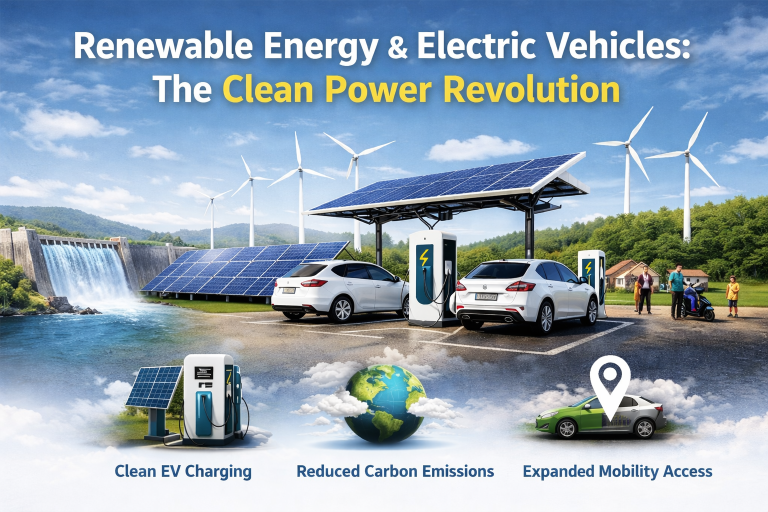
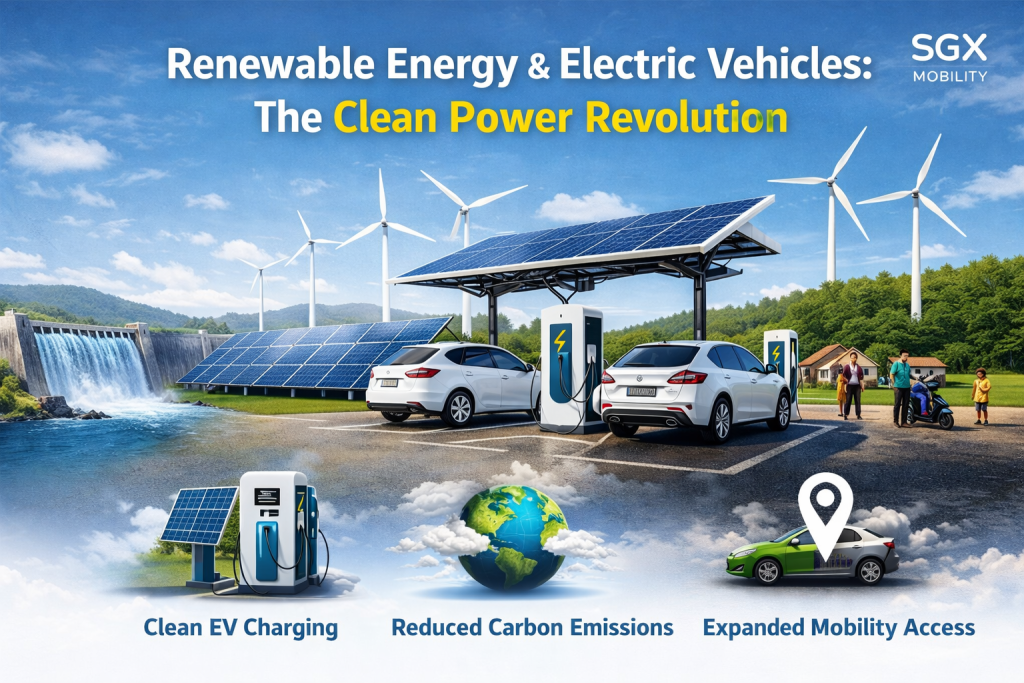
If EVs are charged using fossil fuels, their environmental benefits shrink. But when renewable energy powers EV charging, the result is a truly low-carbon transportation system that can transform cities, economies, and communities worldwide.
For global insights on the transport transition, see the International Energy Agency’s transport overview. (https://www.iea.org/topics/transport)
1. Solar-Powered Charging Stations: The Future of Clean Mobility
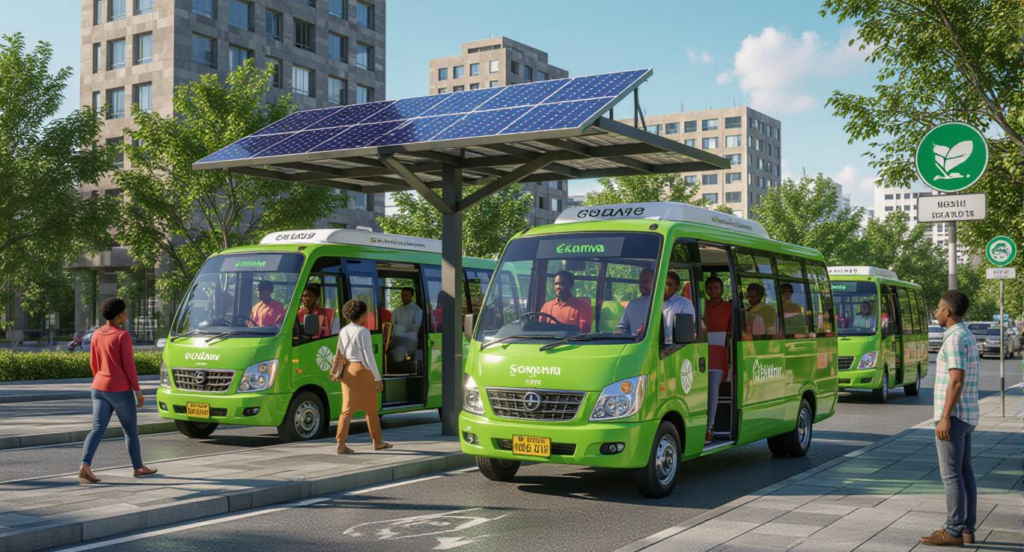
Solar-powered EV charging stations are more than just a green idea — they are a practical solution. In many regions, solar energy can provide reliable, low-cost electricity to charge vehicles, especially in areas with inconsistent grid power.
Why solar charging matters:
Reduces dependence on fuel generators
Lowers operating costs
Improves charging reliability
Supports off-grid mobility in remote areas
For more on renewable energy in transport, see the International Renewable Energy Agency (IRENA). (https://www.irena.org/transport)
2. Wind, Hydro, and Renewable Grids: The Real Clean Energy Backbone
While solar is highly visible, other renewable sources like wind and hydro play a major role in powering EVs globally. Countries that build strong renewable grids create an ecosystem where EV adoption becomes truly sustainable and scalable.
For global renewable energy and climate action context, refer to the United Nations climate change page. (https://www.un.org/en/climatechange)
3. Reduced Carbon Emissions: The True Measure of EV Success
The biggest benefit of EVs is not just cleaner air — it’s the reduction of carbon emissions across the entire transport system. When renewable energy powers EVs, we move closer to achieving global climate goals and reducing our dependency on fossil fuels.
For the latest climate science and emissions data, refer to the Intergovernmental Panel on Climate Change (IPCC). (https://www.ipcc.ch)
4. Improved Energy Access and Mobility for Everyone
Renewable energy also enables charging infrastructure to reach underserved communities. This is especially important in regions with limited grid access, where clean energy can power mobility solutions and improve access to jobs, healthcare, and education.
Renewable energy is the backbone of the global electric mobility revolution. EVs alone won’t solve climate change — but when paired with clean power, they become a powerful tool for building a sustainable, low-carbon future.
Join the conversation below 👇 Do you believe EVs are truly clean if the electricity comes from fossil fuels? Share your thoughts and experiences.
Transportation costs in Nigeria continue to rise due to fuel price increases and high vehicle maintenance costs. Electric vehicles (EVs) offer a practical solution for reducing these expenses and improving long-term efficient.
Lower Fuel Costs
EVs run on electricity, which is cheaper than petrol. This significantly reduces daily commuting expenses for individuals and operational costs for businesses.
Lower Maintenance Costs
EVs have fewer moving parts and require less maintenance. This means fewer repairs, less downtime, and lower long-term costs.
Increased Efficiency
Electric vehicles deliver consistent performance and can be charged at home or at public charging stations, making them a convenient and cost-effective option.
Conclusion
Switching to electric vehicles can significantly reduce transportation costs in Nigeria. With sustainable energy integration, EVs offer a long-term solution for businesses and individuals.
Nigeria is at a turning point in transportation. With rising fuel prices, worsening air pollution, and increasing urban congestion, the need for cleaner, smarter mobility solutions has never been greater. Electric vehicles (EVs) are not just a global trend—they are a practical solution that can transform how Nigerians move, work, and live.
Why EVs Matter for Nigeria
Electric vehicles reduce dependence on fossil fuels and cut down on carbon emissions. For a country like Nigeria, where energy costs are high and air quality is declining, EVs offer a cleaner and more sustainable alternative.
Economic Benefits of Electric Mobility
EVs are cheaper to operate and maintain compared to petrol vehicles. With rising fuel costs, switching to electric can save individuals and businesses a significant amount in the long run.
The Role of Renewable Energy
The success of EVs in Nigeria depends on clean energy sources. Integrating renewable energy (solar, wind) into charging infrastructure will make EVs more affordable and sustainable.
How SGX Mobility is Leading the Change
At SGX Mobility, we are committed to building a sustainable transport future through innovative solutions that combine technology, affordability, and environmental responsibility. Our mission is to support the transition to zero-carbon mobility across Nigeria.
The future of mobility in Nigeria is electric, and the transition starts now. As the world shifts toward cleaner transportation, Nigeria has the opportunity to lead the change and build a greener, more sustainable future.